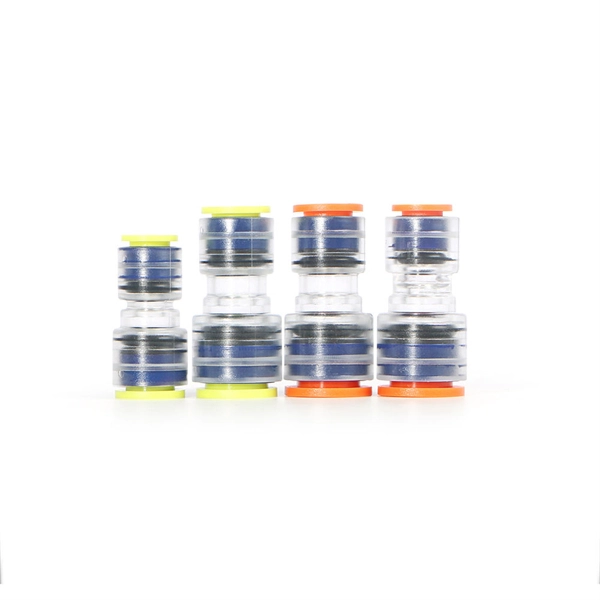
Fiber optic cables for direct burial must follow specific standards for depth, protection, handling, and testing to ensure long-term performance and safety.Standards and Guidelines
International Standards: The ITU-T Recommendation L.101 specifies the characteristics, construction, and test methods for optical fiber cables intended for buried applications. It references IEC 60794-3-11 for outdoor optical fiber cables, including direct-buried, duct, and lashed aerial applications, and adds requirements for electrical continuity testing of metallic elements in buried cables (ITU-T L.101, 2024) . Manufacturer Guidelines: Companies like Corning and Panduit provide detailed procedures for direct-buried fiber optic cable installation. These include handling precautions, maximum pulling tension, minimum bend radius, and proper storage of cable reels to prevent damage during installation . Fiber optic cables are sensitive to excessive pulling, bending, and crushing, which can degrade transmission performance over time.
Installation Practices
Trenching and Plowing: Direct-buried fiber optic cables are typically installed using trenching or plowing methods. Trenches must be free of sharp rocks and debris, and the cable should be laid without exceeding the maximum tensile load specified by the manufacturer . Depth Requirements: Industry best practices recommend burial depths based on location and risk factors :
- Residential/Commercial Areas: 24–36 inches (60–90 cm)
- Under Roadways/Driveways: 36–48 inches (90–120 cm), often within conduit for added protection
- Agricultural/Rural Land: At least 36 inches (90 cm) to avoid plowing damage
- Rocky or Difficult Terrain: Depth may be reduced if armored or conduit-protected Protection Measures: Direct-buried cables may include armored layers, water-blocking gels, or tracer wires to protect against mechanical damage, moisture, rodents, and accidental excavation . Warning tapes or detectable mesh should be placed approximately 12 inches above the cable, and permanent markers installed at key points to alert future excavators.
Handling and Testing
Cable Handling: Use figure-eight coiling for unreeled cable, avoid continuous coiling, and employ split cable guides or sheave wheels to prevent kinking or twisting . Testing: After installation, cables should be tested for optical performance and mechanical integrity, including continuity checks for metallic elements if present, to ensure compliance with ITU-T and IEC standards .
Summary
Proper fiber optic cable burial requires adherence to international standards, manufacturer specifications, and industry best practices. Key considerations include trenching depth, mechanical protection, careful handling, and post-installation testing. Following these guidelines ensures long-term reliability, minimizes maintenance costs, and protects the network from environmental and accidental damage .