
Fiber · racks · power · outdoor infrastructure
Build the Physical Layer Behind Reliable Communications
Bring fiber distribution, equipment racks, telecom power, passive optical devices and weatherproof site hardware into one coordinated product specification.
Indoor and outdoor configurations
Fiber, power and enclosure coordination
Specification-led product selection

OpticalRoute and distribute
PowerConvert and protect
SiteHouse and manage
Product architecture
Six Systems That Meet at the Same Site
Select by function and interface first. The enclosure, cable path, rack layout and power architecture should be checked together rather than as isolated purchases.
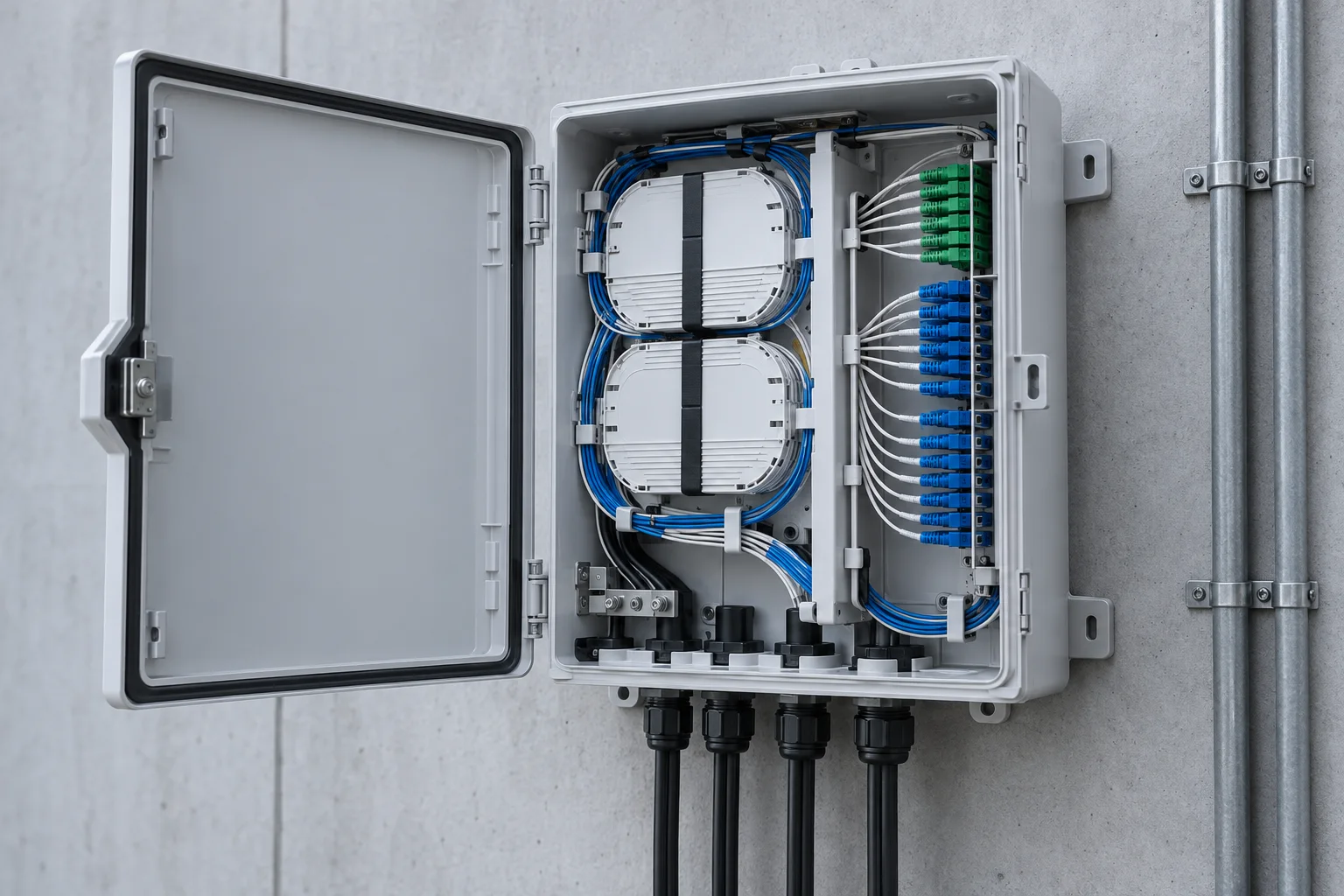
01 · Optical access
Fiber Distribution Systems
Distribution boxes, cross-connect cabinets, ODF panels, terminal boxes and splice closures.
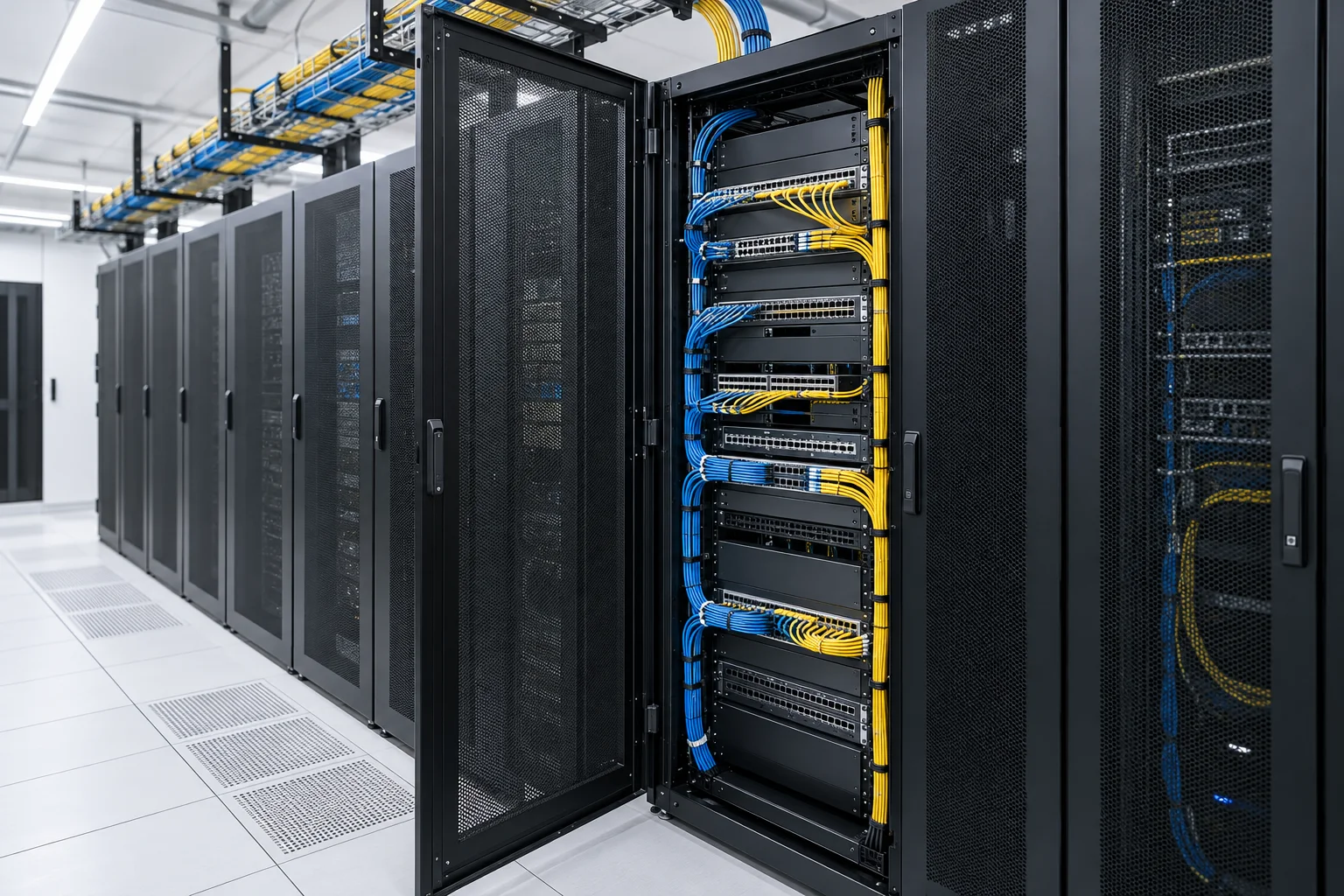
02 · Equipment rooms
Data Center Infrastructure
Network cabinets, integrated racks, cable trays, fiber raceways and aisle-ready layouts.
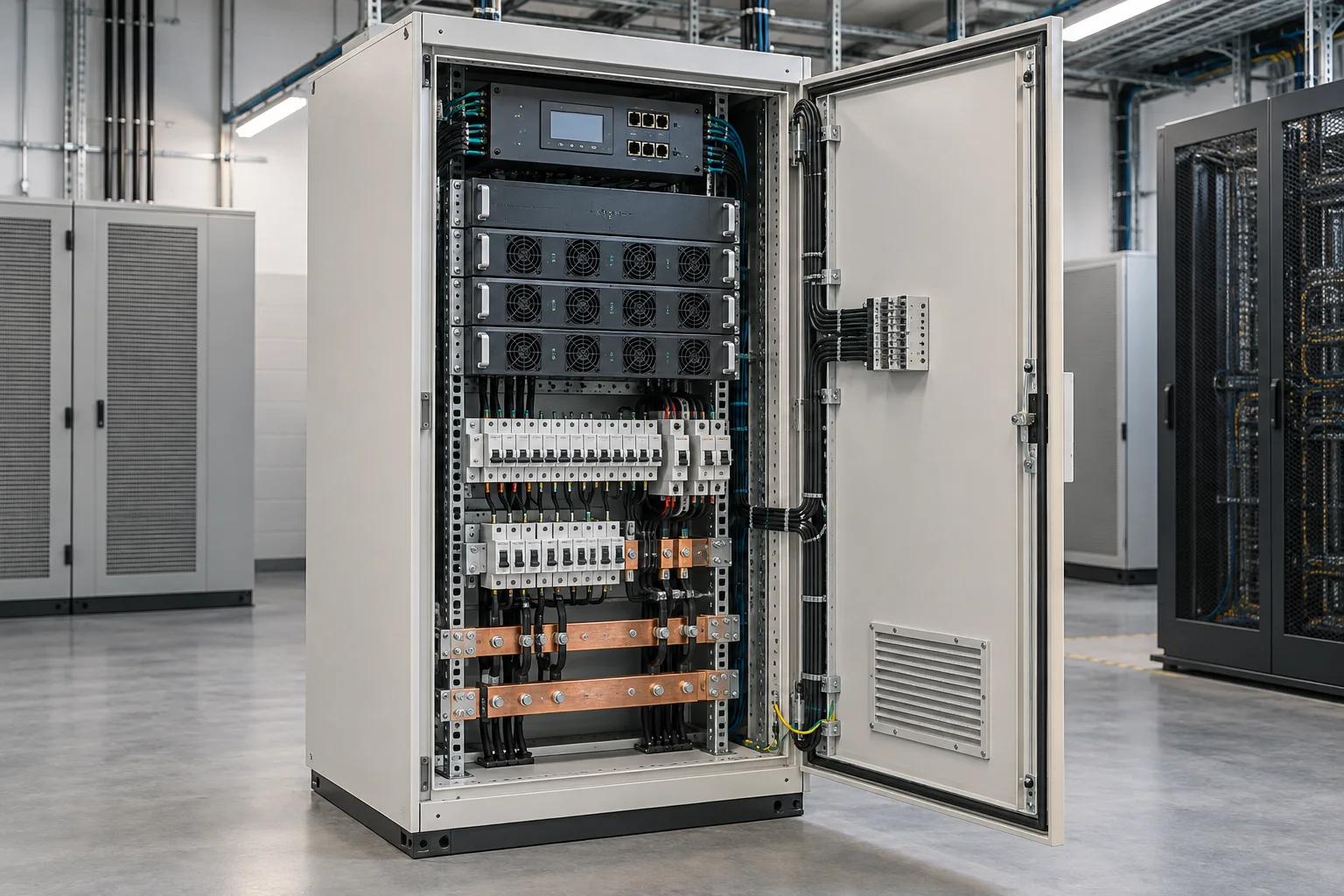
03 · Power path
Telecom Power Systems
AC-DC rectification, integrated power cabinets, PDU cabinets and site distribution.
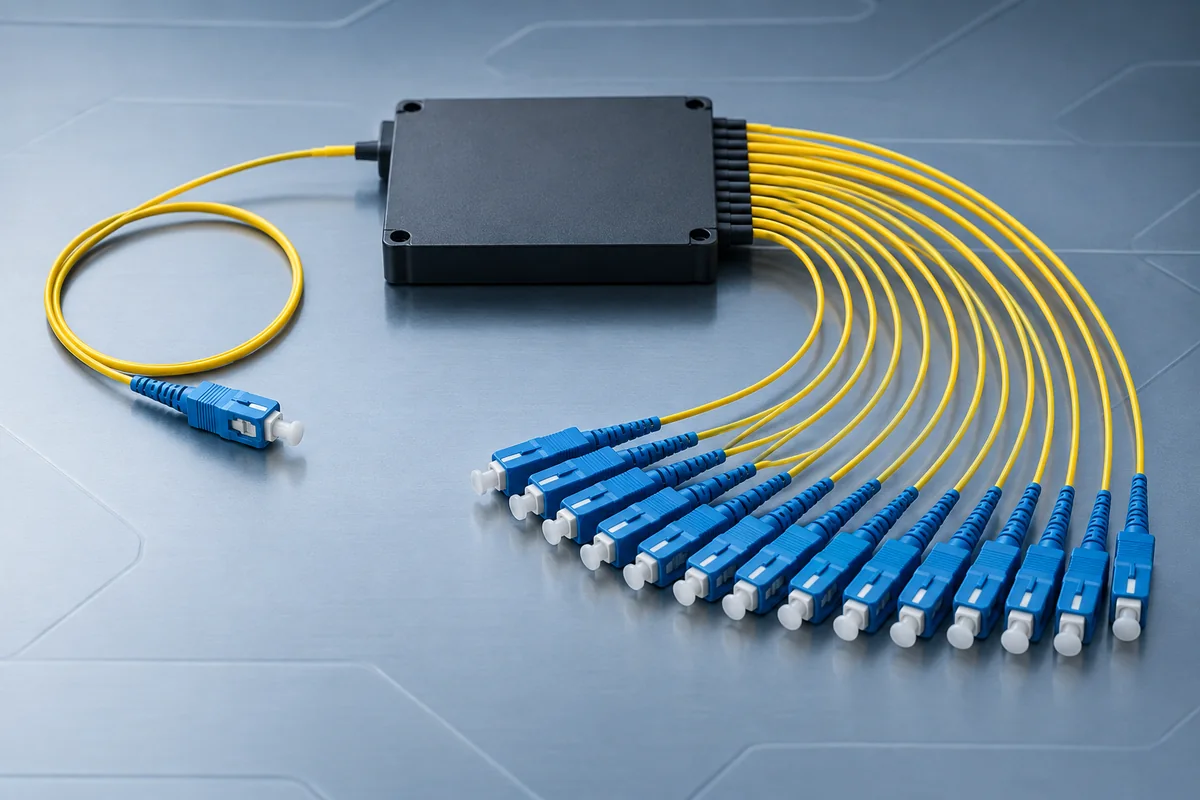
04 · Passive signal path
Passive Optical Components
Optical splitters, adapters, attenuators, patch cords, pigtails and CWDM devices.
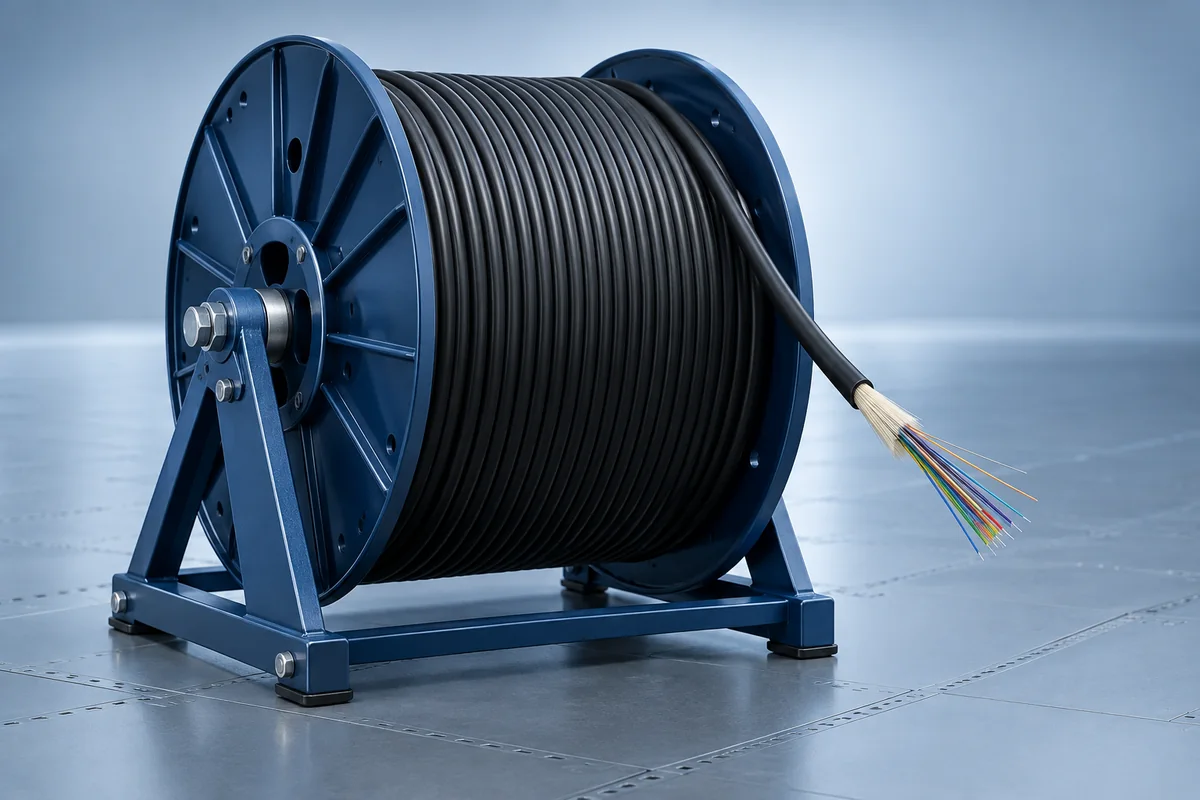
05 · Cable plant
Fiber Cabling Products
Indoor, outdoor, drop, armored and self-supporting cable for access and site routes.
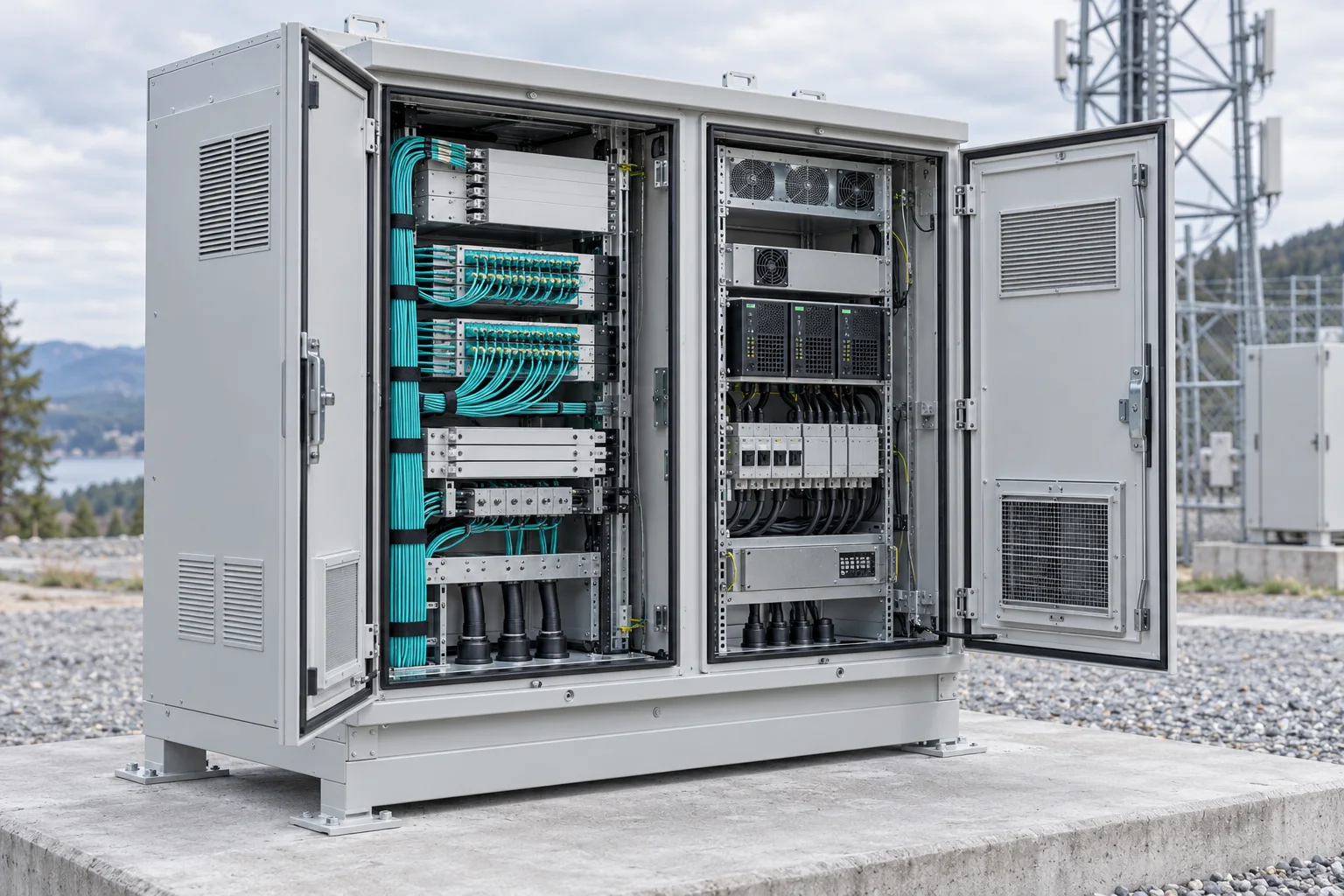
06 · Field infrastructure
Outdoor Cabinets & Shelters
Weatherproof cabinets, equipment shelters and emergency communication enclosures.
A coordinated brief
Move from Site Conditions to a Usable Equipment Schedule
A clear inquiry reduces interface conflicts between cabinets, fiber terminations, rack units, power feeds and cable routes.
Define the site
Record indoor or outdoor use, mounting, access, climate, dust, water, corrosion and available floor or pole space.
Map interfaces
List fiber type, connector format, port count, rack units, AC input, DC output and cable entry direction.
Check capacity
Allow for splice trays, patching, distribution circuits, thermal load, cable bend radius and practical maintenance clearance.
Verify delivery
Confirm dimensions, drawings, protection ratings, accessories, test records and the documentation required for acceptance.

Deployment solutions
Configure the Product Mix Around the Operating Environment
Access networks need disciplined fiber distribution. Edge rooms need rack density and cable management. Outdoor sites add weather protection, thermal control, grounding and a dependable DC power path.
- FTTx and ODN: feeder, split, closure, distribution and subscriber termination.
- Data center and edge: cabinets, patching, raceways and power distribution.
- Telecom sites: integrated enclosures, rectifiers, distribution and cable entry.
- Remote and emergency sites: shelters and field-service access planned together.
Knowledge centre
Recent Communication Infrastructure Resources
Current entries are selected with one bounded database query; full compressed article bodies are not loaded for these cards.
Which brand of fiber optic patch cords is the best
Fiber Optic Patch Cables: The Complete 2026 Buyer's GuideThis complete fiber optic patch cable guide covers connector types, single-mode vs multimode, inse.
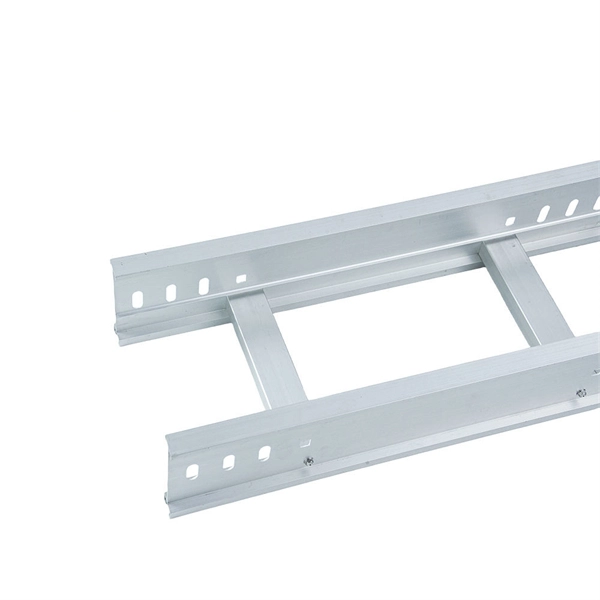
Specifications for cable tray reducing elbows
CABLE TRAY, CABLE LADDER, CABLE TRUNKING CATALOGUEFitting anf accessories. with the same or different width of the cable run. All fittings are available in.
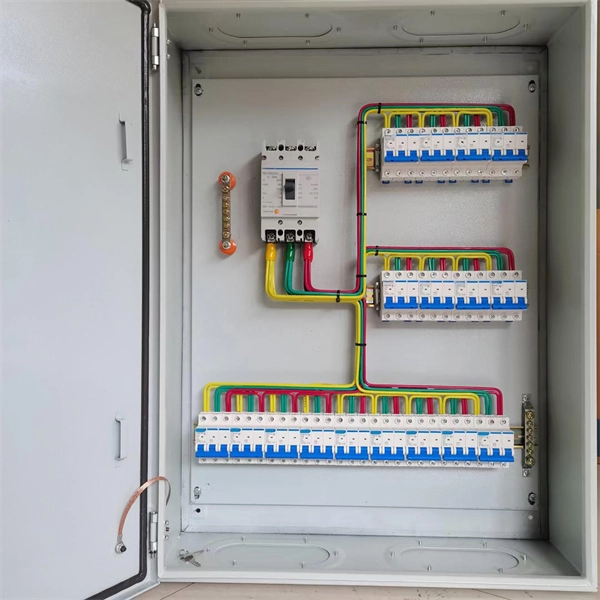
How are fiber optic patch cords graded
How Fiber Optic Patch Cords Are Manufactured and Explore the complete manufacturing and testing process of fiber optic patch cords, including polishing, as.
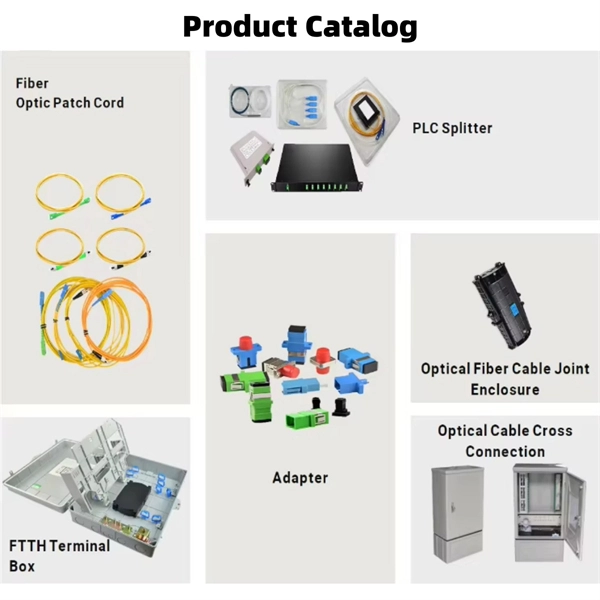
Price of domestically produced optical modules in Chad
LightCounting :: January 2025 Vendors & Markets for Optics in ChinaIt includes a companion spreadsheet containing a detailed 5-year history and 5-year fore.
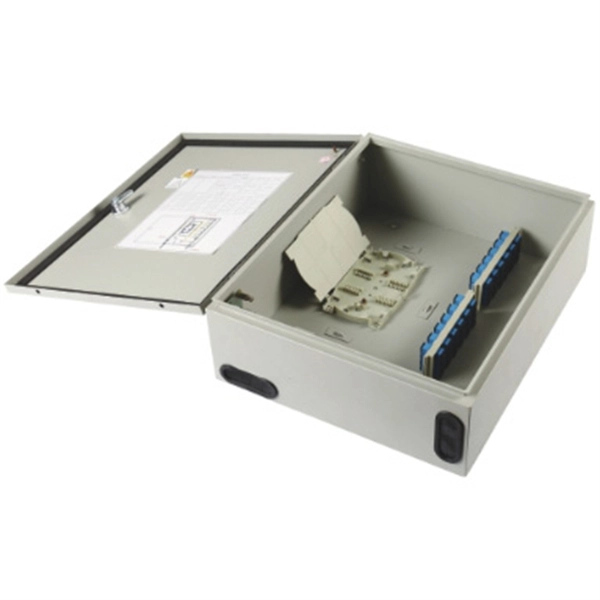
Enabling the optical port on an H3C 5120 switch
Support You can connect the S5120-SI series to end users or wiring-closet switches through gigabit Ethernet copper ports, and to Layer 3 switches through g.
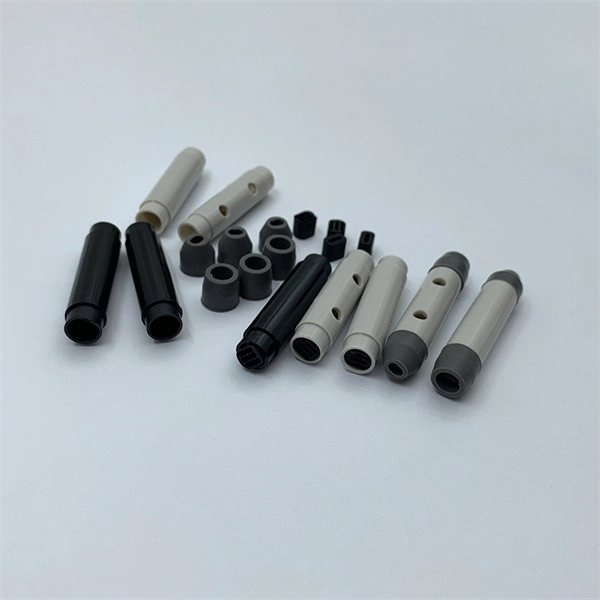
Bhutan Fiber Optic Transceiver Connector Supply
Find and discover Fiber Optic manufacturers and suppliers for all products in Bhutan, featuring details on their shipment activities, trade volumes, trading partners, and more. Product Specifications/Features SFP Opti…
Frequently asked questions
Start with the Interfaces, Not the Product Name
These questions help turn a broad product request into information that can be checked against drawings and datasheets.
What information is needed before selecting communication infrastructure products?
Start with the site type, equipment load, fiber count, rack or cabinet space, input power, environmental exposure, cable entry and maintenance requirements. These details connect otherwise separate product choices into one workable site specification.
How are fiber distribution products different from passive optical components?
Distribution products provide protection, routing and access through boxes, frames, panels and closures. Passive optical components perform optical functions or complete connections, including splitters, adapters, attenuators, patch cords and wavelength devices.
What should be checked when specifying an outdoor telecom cabinet?
Confirm enclosure size, mounting method, ingress and corrosion protection, thermal management, cable glands, internal rack space, power distribution, grounding and the temperature range expected at the site.
Can one inquiry cover fiber, rack and telecom power requirements?
Yes. A combined equipment schedule is usually more useful because fiber routing, rack layout, power distribution, ventilation and maintenance clearance affect one another.
Are the articles a substitute for project engineering documents?
No. The resources are for preliminary product research. Final dimensions, ratings, interfaces and compliance requirements must be checked against current standards and project documentation.
Prepare a project brief
Request a Product ReviewTell Us What the Site Must House, Connect and Power
Share the deployment environment, fiber and port counts, rack space, electrical inputs and documentation requirements.