ALFA PROCOMMUNICATION INFRASTRUCTURE Request a Quote

Where to plug in the fiber optic panel

Fiber optic panels accept fiber connectors, adapters, and devices such as media converters or fiber switches, depending on the network setup.Fiber Connectors

Fiber optic panels are designed to terminate and organize fiber cables using connectors. Common connector types include:

  • LC (Lucent Connector): Small form factor, often used in high-density applications.
  • SC (Subscriber Connector): Larger, push-pull style connector, widely used in enterprise networks.
  • ST (Straight Tip): Bayonet-style connector, less common today but still in use.
  • MPO/MTP (Multi-Fiber Push On/Termination Push On): High-density connectors that handle multiple fibers in a single plug, often used in data centers . Connectors can be simplex (single fiber) or duplex (two fibers in one assembly), and the choice depends on the equipment and network design .
Fiber Adapters

Fiber panels often use adapters (also called couplers or bulkhead adapters) to mate connectors. These adapters align the fiber cores to ensure minimal signal loss and can be:

  • Inline adapters: Join two fiber cables directly.
  • Bulkhead adapters: Mounted in the panel to allow easy plug-in of connectors . Hybrid adapters can connect different connector types, such as LC to SC, providing flexibility in mixed environments .
Devices That Interface With Fiber Panels

Beyond connectors, fiber panels can interface with network devices via fiber cables:

  • Fiber media converters: Convert fiber signals to copper Ethernet and vice versa, extending network reach or isolating electrical surges .
  • Fiber switches: Allow multiple fiber connections to form a network, similar to Ethernet switches but for optical signals .
  • Fiber network adapters: Enable direct fiber connections to computers or servers, supporting fiber-to-the-desktop (FTTD) setups .
  • Optical transceivers (SFP/SFP+/QSFP): Pluggable modules that connect fiber cables to switches, routers, or servers, often inserted into ports on the panel or connected devices .
Summary

In essence, a fiber optic panel can accept:

  1. Fiber connectors (LC, SC, ST, MPO/MTP) terminated on fiber cables.
  2. Adapters to align and connect different fiber connectors.
  3. Network devices such as media converters, fiber switches, or transceivers that interface with fiber cables. The exact components depend on the network type (single-mode vs. multi-mode), fiber count, and equipment requirements, ensuring proper alignment and minimal signal loss.
Where to plug in the fiber optic panel

Fiber Patch Panels Guide

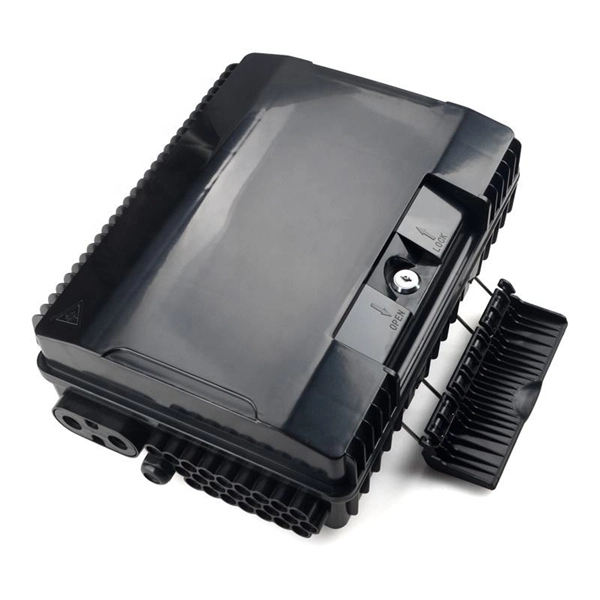
Fiber enclosures allow for different types of fiber optic cable to be spliced together and routed to different points in a building. A fiber

Related Video Reference

This video was associated with the source search result. Verify technical details against current product documentation and project requirements.

Technical note

This reference is intended for preliminary fiber and communications infrastructure research. Optical interface, fiber type, port or core capacity, electrical input and output, enclosure protection, cooling, installation limits and applicable standards must be verified for the specific project.

Still Have a Technical Question?

Use the inquiry form to describe the product category, application, interfaces, capacity and installation environment.

Start a Project Inquiry