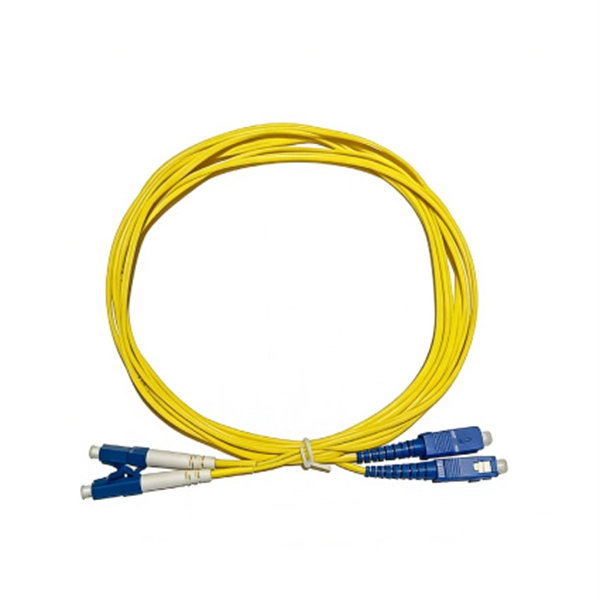
Proper wiring in electrical cabinets ensures safety, accessibility, and efficient operation through organized cable management, secure connections, and compliance with electrical codes.Planning and Layout
Effective cabinet wiring begins with careful planning. Identify all devices, power sources, and control components before routing cables. Use a schematic diagram to map connections, ensuring that high-voltage and low-voltage circuits are separated to prevent interference and maintain safety. Plan for future expansion by leaving space for additional wiring and modular components.
Cable Management
Organized wiring reduces maintenance issues and improves safety. Use cable glands, wiring harnesses, and heavy-duty connectors to secure cables and prevent strain on connections. Routing cables along designated paths with cable ties, channels, or trays keeps wires neat and prevents tangling or abrasion. Proper strain relief at entry points and connectors prevents conductor damage and ensures long-term reliability .
Junction Boxes and Accessibility
All high-voltage splices and connections must be enclosed in junction boxes that comply with the National Electrical Code (NEC). Boxes must be accessible without removing cabinet panels or other structures, and box fill calculations must follow NEC 314.16 to avoid overcrowding. Secure cables entering and exiting boxes with clamps or bushings to prevent insulation damage .
Securing and Protecting Wires
High-voltage wiring, such as NM-B (Romex), should be clamped to the cabinet structure and routed through drilled holes with smooth edges to avoid abrasion. Low-voltage wiring, like LED or control circuits, should also be protected and routed along interior edges or channels to remain concealed and organized .
Connector Selection
Use modular heavy-duty connectors for power and data interfaces, especially in industrial cabinets. Circular connectors and IP-rated connectors provide reliable, repeatable connections and support high-speed data or automation systems. Proper connector selection ensures compliance with voltage ratings, environmental protection, and ease of maintenance .
Compliance and Safety
All wiring must comply with NEC requirements, including GFCI protection for receptacles in wet or kitchen environments, proper grounding, and correct conductor sizing. Ensure that all connections are tight, insulated, and protected from mechanical damage. Regular inspection and testing of cabinet wiring help maintain safety and operational reliability .
Summary
A professional wiring method for electrical cabinets combines strategic planning, organized cable management, secure junctions, proper connectors, and NEC compliance. This approach ensures safety, reduces maintenance challenges, and allows for future expansion while maintaining a clean and functional cabinet layout .