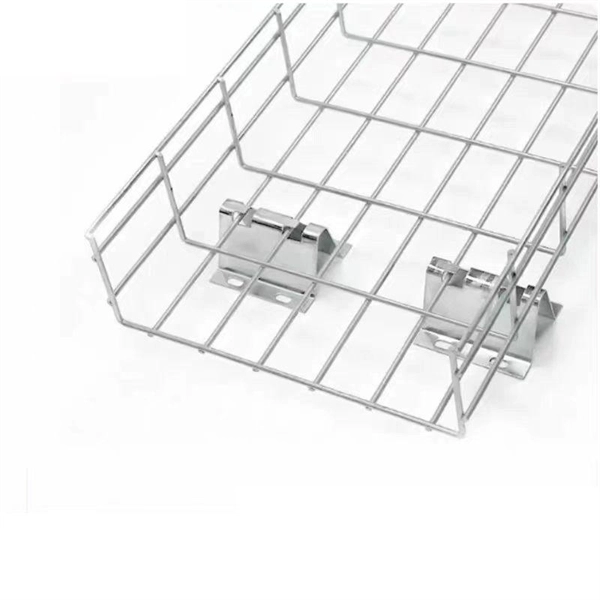
Cable trays at bends must maintain proper bend radius, adequate support, and secure cable placement to prevent damage and ensure compliance with standards.Minimum Bend Radius
When installing cable trays at bends, it is critical to maintain the minimum bend radius for the cables to prevent conductor damage and insulation stress. The bend radius depends on the cable type and size, and it is typically specified by the cable manufacturer. For most power and control cables, the minimum bend radius is 6 to 10 times the cable diameter. Exceeding this radius can lead to insulation deformation, increased electrical resistance, and potential failure .
Support and Spacing
Cable trays must be adequately supported near bends to prevent sagging and maintain structural integrity. Supports should be installed before and after the bend, with spacing determined by the tray type, material, and load. For ladder or ventilated trays, rung spacing of 150–230 mm (6–9 inches) is recommended to keep cables in place and evenly distributed . Additional supports may be required for heavy cable bundles or long bends.
Cable Securing and Bundling
Cables should be bundled and restrained to prevent movement at bends, which can cause abrasion or stress. Non-metallic banding is preferred to avoid corrosion or contamination of stainless steel trays. Bundles should be balanced at the center and secured to the tray using cable ties or clamps, ensuring that cables do not exceed the tray's fill capacity (typically 40% for power cables and 50% for control cables), .
Bend Types and Installation Practices
- Horizontal bends: Use pre-fabricated elbows or radius bends to maintain smooth cable routing. Avoid sharp angles that exceed the minimum bend radius.
- Vertical bends: Ensure gradual transitions and provide intermediate supports to prevent cable sagging.
- Multi-cable installations: Separate high-power and low-power cables to reduce electromagnetic interference (EMI) and maintain proper spacing .
Safety and Compliance
- Ensure that cable trays are not used in prohibited areas such as hoistways or enclosed spaces.
- Metallic trays can serve as grounding conductors if compliant with NEC or local standards.
- Avoid cutting or drilling structural members without approval, and ensure that the tray system can handle the imposed loads, including cable weight, future additions, and environmental factors like wind or ice .
Summary
Proper cable tray installation at bends requires attention to minimum bend radius, adequate support, secure cable bundling, and compliance with safety standards. Following these guidelines ensures mechanical protection, electrical reliability, and long-term system performance.