ALFA PROCOMMUNICATION INFRASTRUCTURE Request a Quote

Installation of Building Main Distribution Box

Proper installation of a main distribution box ensures safe, efficient, and reliable power distribution while protecting circuits from overloads and faults.Choosing the Right Distribution Box

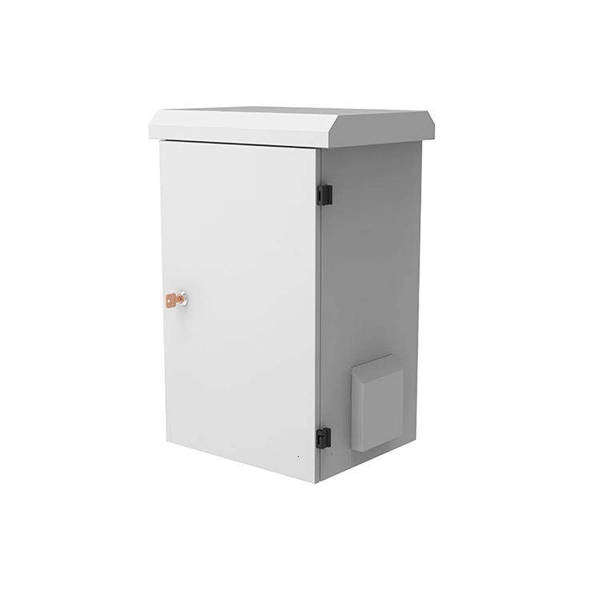
Select a distribution box based on your electrical load, environment, and application. Residential boxes are compact for homes, commercial boxes handle higher loads for offices or malls, and industrial boxes are designed for harsh environments with high-capacity circuits . Consider indoor vs. outdoor use, ensuring IP66 or NEMA 4X ratings for outdoor installations, and choose materials that are rust-proof, UV-resistant, and waterproof . Ensure the box has enough capacity for current needs and future expansion.

Pre-Installation Preparation
  • Site Survey: Choose a dry, ventilated location away from water, flammable, corrosive, or explosive substances .
  • Tools and Materials: Prepare screwdrivers, wire strippers, multimeter, insulation resistance tester, and ensure all wires, ties, and insulating materials meet electrical standards .
  • Power Safety: Turn off the main power supply and verify with a voltage tester that the area is de-energized .
Installation Steps
  1. Mounting the Box: Secure the distribution box to a stable surface, aligning expansion bolts and tightening screws. Ensure it is level and firmly fixed .
  2. Wire Preparation: Strip insulation from wires, leaving appropriate conductor length. Follow color coding standards for line, neutral, and ground wires .
  3. Main Power Connection: Connect the main power cable to the main breaker, which controls the entire box. Ensure hot, neutral, and ground wires are correctly terminated .
  4. Circuit Breakers and Fuses: Install individual breakers or fuses for each circuit, rated appropriately to prevent overloads or short circuits .
  5. Busbars and Grounding: Connect busbars to distribute power to each breaker. Ensure proper grounding through the grounding bar to protect against stray currents .
  6. Wiring Layout: Route and secure all wires neatly, leaving space for heat dissipation. Avoid tangling or contact with sharp edges .
  7. Labeling: Clearly mark each circuit for easy identification and future maintenance .
Testing and Verification
  • Insulation Resistance Test: Measure resistance between wiring and the box to ensure proper insulation .
  • Circuit On/Off Test: Verify each circuit operates correctly without short circuits or broken connections .
  • Component Check: Confirm all breakers, fuses, and terminals are correctly installed and functional .
Safety and Compliance

Always follow local electrical codes and standards to ensure safety, prevent fire hazards, and maintain legal compliance . Use surge protection to safeguard against voltage spikes, and double-check all connections to avoid loose terminals or undersized breakers . By following these steps, a main distribution box can be installed safely, efficiently, and reliably, providing long-term protection and organized power distribution for any building type.

Installation of Building Main Distribution Box

How To Connect A Distribution Box

It serves as a central point for distributing electricity to various circuits in a building or facility. This section will explain its function,

Related Video Reference

This video was associated with the source search result. Verify technical details against current product documentation and project requirements.

Technical note

This reference is intended for preliminary fiber and communications infrastructure research. Optical interface, fiber type, port or core capacity, electrical input and output, enclosure protection, cooling, installation limits and applicable standards must be verified for the specific project.

Still Have a Technical Question?

Use the inquiry form to describe the product category, application, interfaces, capacity and installation environment.

Start a Project Inquiry