ALFA PROCOMMUNICATION INFRASTRUCTURE Request a Quote

Fiber Optic Cable Twelve Colors

Fiber optic cables use a standardized 12-color sequence to identify individual fibers, ensuring accurate installation, splicing, and maintenance.The 12-Color Sequence

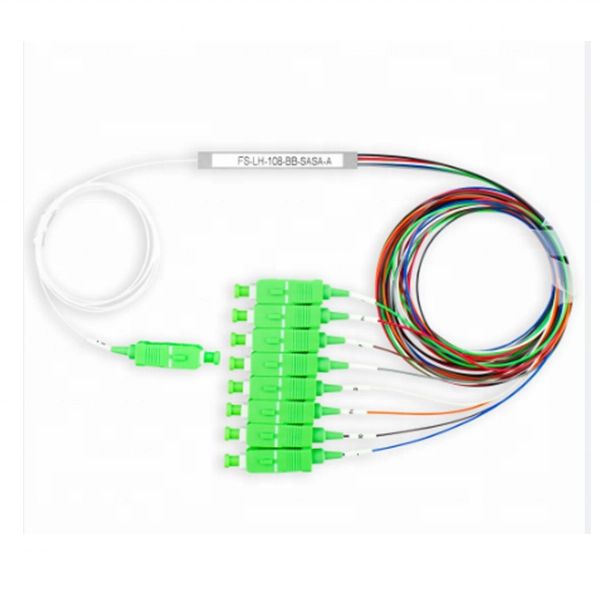
Fiber optic cables follow a 12-color standard defined by TIA-598-C, which is widely adopted globally. The colors in order are: Blue, Orange, Green, Brown, Slate, White, Red, Black, Yellow, Violet, Rose, and Aqua . Each fiber in a cable is assigned one of these colors, making it easy for technicians to identify and manage fibers during installation or repair .

Purpose of Color Coding

Color coding simplifies fiber management by:

  • Reducing errors during splicing and termination, especially in high-density cables .
  • Ensuring continuity across long cable runs, which is critical for network reliability .
  • Facilitating maintenance, as technicians can quickly locate and replace specific fibers without confusion .
Cables with More Than 12 Fibers

For cables exceeding 12 fibers, the 12-color sequence repeats in groups, often with additional markings or colored stripes to maintain unique identification . For example:

  • A 24-fiber cable has two 12-fiber groups, each following the standard sequence, with the second group distinguished by a colored binder or stripe .
  • High-count cables (48, 72, 96 fibers, etc.) use tube and fiber systems, where each tube contains fibers in the 12-color sequence, and tube colors help differentiate groups .
Application in Connectors and Patch Cables

Fiber connectors and patch cables also use color coding:

  • Single-mode fibers often have yellow jackets, while OM3/OM4 multimode fibers use aqua, and single-mode APC connectors are blue .
  • Connector boots may be color-coded to match fiber type, aiding in quick identification during network setup .
Summary

The 12-color fiber optic system is a globally recognized standard that ensures accurate identification, reduces human error, and supports efficient installation and maintenance of fiber networks. For cables with more than 12 fibers, the sequence repeats with additional markings or tube colors to maintain clarity and organization .

Fiber Optic Cable Twelve Colors

Fiber Optic Cable Color Code: Complete Installation and Identification

What Are The Colors of Fiber Optic?Why Is Fiber Optic Color Coding Important?How It WorksHow Are Fiber Optic Cables Typically Color coded?Which Parts of The Fiber Optic Cable Are colored?How Do You Remember The Fiber Optic Color Code?Contact The Network InstallersNeed help remembering which color goes where? There are a few different ways that you can remember fiber cable color coding: 1. Use a mnemonic device– for example, “Blue is for business, orange is for outside plant, green is for gigabit Ethernet, brown is for building to building.” 2. Write the fiber color code down in a specific order to easily re...See more on thenetworkinstallers Sponsored

See Fiber Optic Cable Twelve Colors

12 Fiber Non-Armored 50/125 Multimode OM3 Pre-Terminated Fiber Optic Cable, Indoor/Outdoor, Plenum, With A Pulling Eye, 10 ft. / LC UPC$288.11

12 Fiber Non-Armored 50/125 Multimode OM3 Pre-Terminated Fiber Optic Cable, Indoor/Outdoor, Plenum, With A Pulling Eye, 10 ft. / LC UPC

Related Video Reference

This video was associated with the source search result. Verify technical details against current product documentation and project requirements.

Technical note

This reference is intended for preliminary fiber and communications infrastructure research. Optical interface, fiber type, port or core capacity, electrical input and output, enclosure protection, cooling, installation limits and applicable standards must be verified for the specific project.

Still Have a Technical Question?

Use the inquiry form to describe the product category, application, interfaces, capacity and installation environment.

Start a Project Inquiry