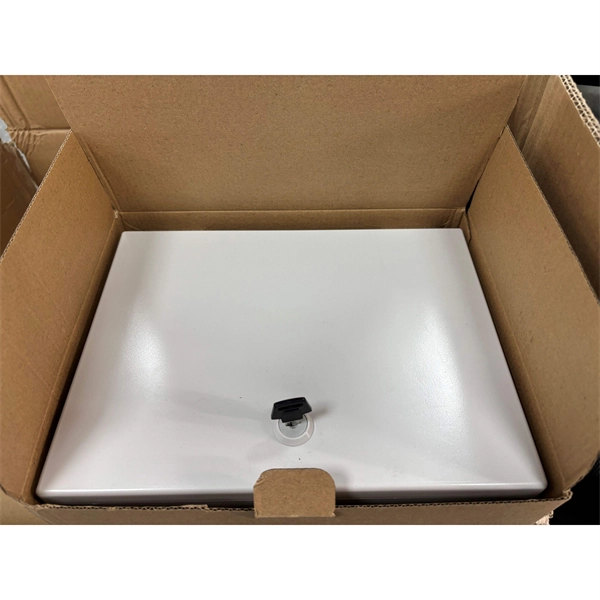
Selecting a double-layer distribution box requires evaluating load capacity, environmental conditions, safety standards, internal layout, and future expansion needs.Key Considerations
1. Load Demand and Circuit Planning Determine the total electrical load, including current and anticipated future circuits. A double-layer distribution box is ideal when you need to separate circuits for different functions or phases. Consider the types of loads—lighting, sockets, machinery, or specialized equipment—to select the appropriate rated current and number of ways, leaving spare slots for future expansion . 2. Environmental Conditions Choose between indoor or outdoor installation. For outdoor use, select a box with high IP protection (e.g., IP65) to resist dust, moisture, and UV exposure. Materials like ABS, polycarbonate, or powder-coated stainless steel provide durability and corrosion resistance . Temperature and humidity at the installation site should also guide your choice. 3. Safety and Compliance Ensure the box meets local and international standards such as IEC 61439, IEC 60670, UL/NEC, or BS 7671. It should provide effective isolation, fire resistance, and protection against short circuits and overloads. Incorporate protective devices like MCBs, RCDs, RCBOs, fuses, surge protective devices, and isolators according to the system requirements . 4. Internal Layout and Components A double-layer box allows separation of circuits for better organization. Check for:
- Adequate DIN rail space for breakers and control devices
- Proper busbar, neutral bar, and earth bar arrangement
- Sufficient wiring room and cable entry points
- Heat dissipation features to prevent overheating 5. Maintenance and Operation Select a box that is easy to access and maintain. Clear labeling, removable covers, and organized internal layout simplify inspection and troubleshooting. For large or critical systems, consider boxes with remote monitoring or smart features for energy management and fault detection . 6. Mounting and Aesthetics Double-layer boxes can be surface-mounted or flush-mounted depending on space and aesthetic requirements. Ensure the mounting method supports the weight and size of the box while allowing safe cable routing .
Summary
When choosing a double-layer distribution box, focus on load capacity, environmental protection, safety compliance, internal layout, and ease of maintenance. Proper planning ensures reliable power distribution, accommodates future expansion, and enhances safety for both equipment and personnel. Always consult manufacturer specifications and local electrical codes to make the optimal selection .