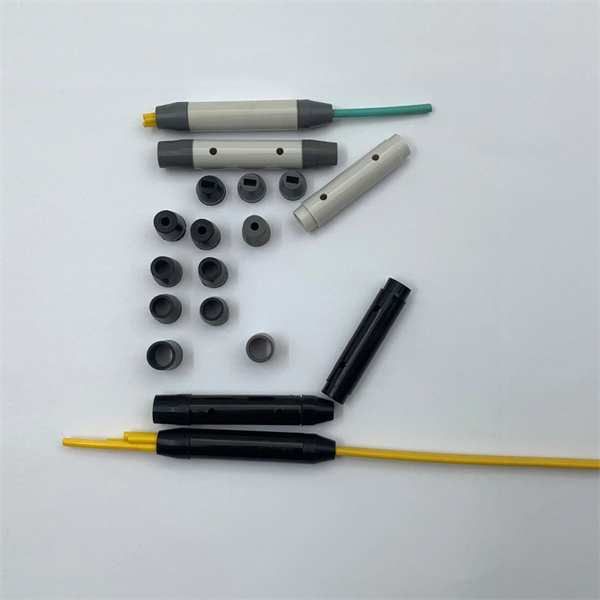
Standard fiber optic cable conduits typically range from ¾ inch to 2 inches in diameter, depending on cable type, number of fibers, and installation environment.Typical Conduit Sizes
For most fiber optic installations, common innerduct or conduit diameters include ¾ inch, 1 inch, 1¼ inch, 1½ inch, and 2 inches. The choice of conduit size depends on the outer diameter of the fiber cable and the number of cables being installed, with a recommended maximum fill ratio of 80% to ensure easy pulling and prevent damage to the fibers during installation .
- Indoor 6-strand fiber cables often require at least a 1-inch conduit.
- Gel-filled outdoor or more rigid cables may require 1½-inch or 2-inch conduits to accommodate the cable's rigidity and breakout points .
Conduit Fill and Installation Considerations
The conduit fill ratio is calculated by dividing the sum of the outer diameters of all cables by the inner diameter of the conduit. Maintaining a fill ratio below 80% is standard practice to prevent excessive friction and potential cable damage . Bend radius is another critical factor: the conduit must allow the fiber to bend without exceeding the cable's minimum bend radius, which varies by cable type . Pull boxes are typically installed every 150–200 feet (45–60 meters) to manage bends and reduce pulling tension .
Industrial and Power-Adjacent Installations
In industrial plants or near power lines, fiber optic conduits must maintain physical separation from electrical conductors, typically 6 inches (150 mm) minimum, unless a solid barrier is used . Conduits may also need to accommodate thermal expansion, moisture sealing, and grounding if metal conduits are used .
Summary
- Standard diameters: ¾", 1", 1¼", 1½", 2"
- Selection factors: cable OD, number of fibers, fill ratio, bend radius, installation environment
- Industrial considerations: separation from power lines, expansion, moisture protection, grounding Choosing the correct conduit diameter ensures safe, efficient fiber installation, minimizes signal loss, and allows for future cable additions without violating standards .