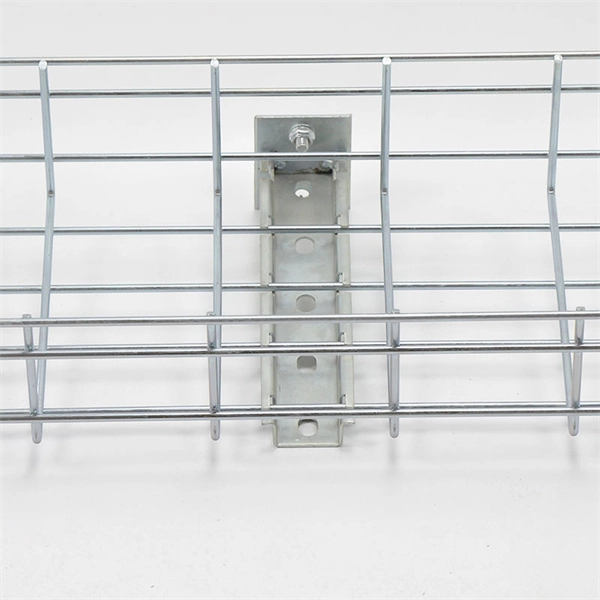
Cables in cable trays are generally not run through conduits, but conduit may be required in certain environments for added protection.Cable Tray vs Conduit
Cable trays are open structural pathways designed to support and organize multiple cables, allowing for easy installation, maintenance, and heat dissipation due to air circulation around the cables . Conduits, by contrast, are enclosed tubes that fully protect cables from mechanical damage, moisture, chemicals, UV exposure, and other environmental hazards . While conduits provide superior protection, they are more labor-intensive to install and maintain, especially for large cable counts .
Tray Cables in Cable Trays
Tray cables (TC, TC-ER, and similar types) are specifically designed for use in cable trays. They are multi-conductor cables with robust jacketing suitable for industrial and commercial environments. These cables can be installed directly in cable trays without conduit, provided they are supported, secured, and protected from excessive mechanical damage according to code . This open installation allows for easy access for maintenance, inspection, and future cable additions .
When Conduit is Required
Conduit may be necessary for tray cables in situations where additional protection is needed:
- High-risk areas: Locations with forklifts, vehicles, or heavy equipment that could crush or damage cables.
- Outdoor or underground installations: To protect against UV exposure, moisture, and extreme weather.
- Hazardous or classified environments: Chemical plants, explosive atmospheres, or damp locations often require conduit for safety.
- Code compliance: Local building codes, insurance requirements, or the Authority Having Jurisdiction (AHJ) may mandate conduit even in otherwise open installations . For underground runs, standard tray cables must be placed in conduit unless they are specifically rated for direct burial .
Summary
In most standard installations, tray cables are laid directly in cable trays without conduit, taking advantage of the open design for ventilation, accessibility, and ease of maintenance. Conduit is used selectively to provide extra mechanical or environmental protection where required by code, environmental conditions, or safety considerations . This hybrid approach balances efficiency, cost, and protection.