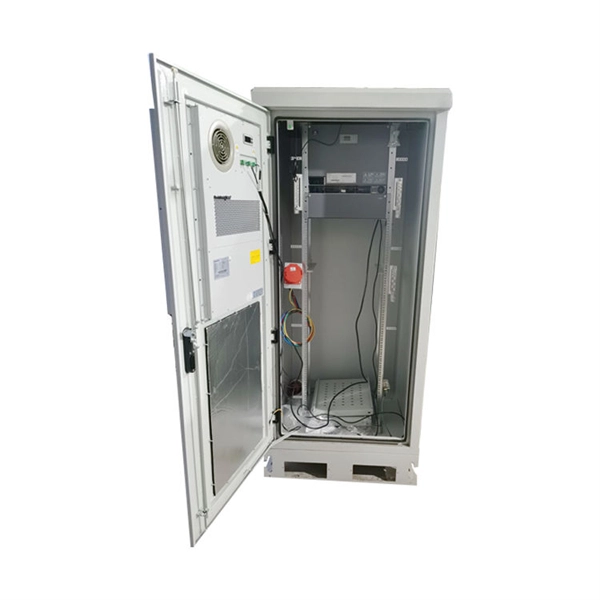
Transmission line relay protection safeguards power systems by detecting faults and isolating only the affected sections to maintain stability and prevent equipment damage.Purpose of Transmission Line Relay Protection
Transmission line relay protection is essential for detecting abnormal electrical conditions such as short circuits, ground faults, or phase faults on high-voltage transmission lines and initiating corrective actions to prevent damage to equipment and maintain grid stability ( ). Its primary goal is selective isolation: only the faulted section is disconnected while healthy parts of the network remain energized, minimizing disruption and avoiding cascading failures ( ).
How Relays Work
Relays continuously monitor electrical parameters such as current, voltage, and phase angles in real-time. When a fault occurs, the relay compares these measurements against predefined thresholds. If the values exceed safe limits, the relay sends a trip signal to the circuit breaker, which disconnects the faulty section within milliseconds ( ). This rapid response prevents thermal damage, equipment stress, and potential blackouts.
Key Principles
- Sensitivity: Relays must detect even minor faults before they escalate ( ).
- Speed: Faults are cleared in milliseconds to protect equipment and maintain transient stability ( ).
- Selectivity: Only the faulted line or equipment is isolated, preserving the rest of the system ( ).
- Dependability and Security: Relays must operate reliably for real faults while remaining secure during heavy loading, power swings, or measurement errors ( ).
Types of Transmission Line Relays
- Overcurrent Relays: Operate when current exceeds a set limit; often used as backup protection ( ).
- Distance Relays: Measure impedance to detect faults along the line; widely used for primary protection ( ).
- Differential Relays: Compare currents at both ends of a line for highly selective protection; usually communication-dependent ( ).
- Directional Relays: Determine fault direction to coordinate with other relays ( ).
- Pilot Relays: Use communication channels to improve speed and selectivity ( ).
Coordination and System Stability
Relay protection schemes are coordinated to ensure proper timing and avoid unnecessary trips. Backup relays provide redundancy in case primary relays fail or communication channels are unavailable ( ). Effective relay protection preserves system stability, reduces equipment stress, and ensures reliable power delivery.
Modern Advancements
Digital relays and AI integration enhance accuracy, response time, and fault analysis, allowing for better monitoring, data logging, and predictive maintenance ( ). Regular testing and calibration are critical to maintain reliability during critical faults.
Conclusion
Transmission line relay protection is the guardian of the power grid, ensuring that faults are detected and isolated quickly and selectively. By balancing speed, sensitivity, and selectivity, relay protection maintains system stability, prevents equipment damage, and minimizes outages, making it a cornerstone of modern power system reliability ( ).