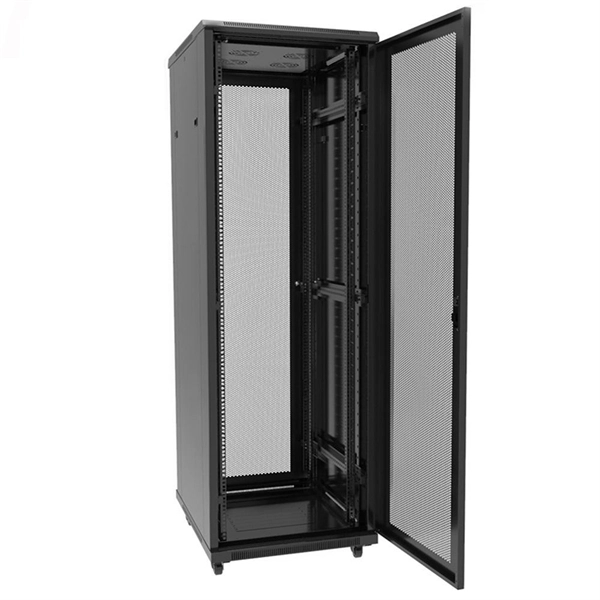
Seismic bracing for cable trays ensures that electrical systems remain secure and operational during earthquakes, protecting both equipment and personnel.Purpose of Seismic Bracing
Seismic bracing is designed to attach cable trays to structural members, allowing them to move safely with the building during seismic events. This prevents damage to the trays, the cables they carry, and surrounding equipment, reducing the risk of electrical outages, fire hazards, or injury to personnel during an earthquake . In Tonga, which is located in a seismically active region, such bracing is critical for maintaining the integrity of electrical infrastructure.
How Seismic Bracing Works
Seismic bracing typically involves two main directions of support:
- Lateral (transverse) bracing: Installed perpendicular to the cable tray system to resist side-to-side motion.
- Longitudinal bracing: Installed parallel to the system to resist forward and backward motion . Rod stiffeners or additional support members are often used to strengthen the system, ensuring that the trays can withstand seismic forces without collapsing or detaching .
Types of Bracing
- Cable bracing: Works in tension and requires two opposing brace assemblies at each location. It is flexible and suitable for long runs of cable trays .
- Rigid bracing: Works in both tension and compression, requiring only one brace per location. It is typically used for shorter drop lengths or where higher rigidity is needed .
Importance in Critical Installations
Cable trays carrying essential power, communication, or emergency systems must be braced to prevent service disruption. In hospitals, data centers, or telecommunications facilities, seismic bracing ensures that critical systems remain operational during and after an earthquake . Failure to install proper bracing can lead to system downtime, equipment damage, and safety hazards.
Compliance and Standards
Seismic bracing must comply with local and international building codes, such as the International Building Code (IBC), ASCE 7, and NFPA standards . In Tonga, engineers should consider seismic design criteria appropriate for the region, ensuring that cable tray installations meet safety and operational requirements.
Summary
In Tonga, seismic bracing for cable trays protects electrical infrastructure from earthquake-induced damage, maintains system reliability, and safeguards personnel. Proper design, installation, and adherence to standards are essential for effective seismic protection .