ALFA PROCOMMUNICATION INFRASTRUCTURE Request a Quote

Fiber optic terminal box patching

Fiber optic terminal box patching involves connecting, organizing, and managing fiber optic cables within termination boxes or patch panels to ensure efficient, low-loss network performance.Overview of Fiber Optic Terminal Boxes

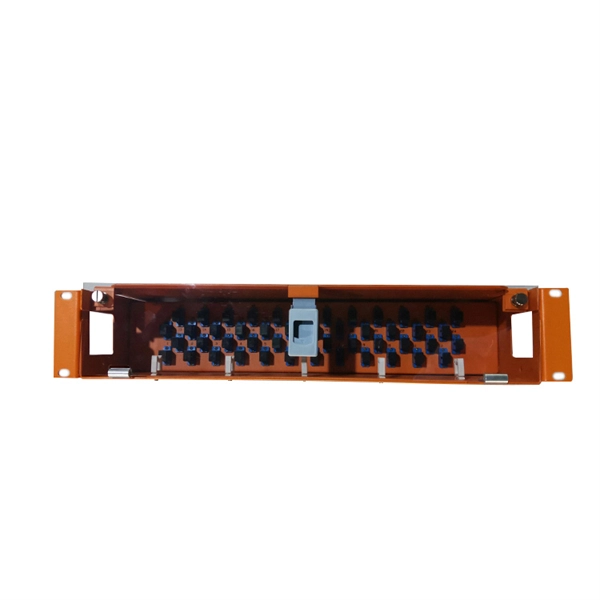
Fiber optic terminal boxes, also known as termination boxes or splice enclosures, are designed to house fiber optic connections safely while providing easy access for patching and maintenance. They are used in FTTH, telecom, enterprise networks, and data centers to manage fiber distribution and protect fibers from environmental damage and mechanical stress . Common types include wall-mounted boxes, rack-mounted patch panels, and modular enclosures .

Patching Methods

Patching in a fiber optic terminal box typically involves:

  • Connectorized patching: Using pre-terminated fiber cables with connectors such as SC, LC, ST, or MPO to plug into patch panels or adapters . This method allows quick deployment and easy reconfiguration.
  • Splicing: Fusion or mechanical splicing is used to join fibers permanently inside splice trays within the box. Splicing is common when extending fiber runs or connecting field-installed fibers .
  • Patch cords: Short fiber cables connect the terminal box to network equipment or other patch panels, enabling flexible routing and network changes .
Key Components
  • Patch Panels: Provide organized ports for connecting multiple fibers, available in 1U, 2U, 12-port, or 24-port configurations .
  • Splice Trays: Hold and protect spliced fibers, preventing bending or stress that could increase signal loss .
  • Adapters and Couplers: Facilitate connections between different fiber types or connectors within the box .
  • PLC Splitters: Used in FTTH networks to split a single fiber into multiple outputs for distribution .
Best Practices
  • Labeling: Clearly label all fibers and ports to simplify troubleshooting and future expansion.
  • Bend Radius Management: Maintain proper bend radius to prevent signal loss or fiber damage.
  • Loss Testing: Perform Tier I loss tests to ensure connections meet ANSI/TIA-568 standards .
  • Environmental Protection: Use industrial-grade boxes for harsh environments to protect fibers from dust, moisture, and mechanical stress .
Applications

Fiber optic terminal box patching is essential in:

  • Data centers: High-density patching systems like FX ECX or DCX support large-scale fiber connections .
  • FTTH deployments: Termination boxes and PLC splitters distribute fiber to multiple homes efficiently .
  • Enterprise networks: Patch panels and wall boxes provide organized, scalable fiber management . By following proper patching techniques and using high-quality termination boxes, network engineers can ensure reliable, low-loss fiber connections that support modern high-speed communication networks.
Fiber optic terminal box patching

Fiber Optic Termination Enclosures & Adapter Panels | LANshack

Available for both 12-fiber and 24-fiber configurations, they fit into fiber optic enclosures and provide a reliable, organized solution for

Fiber Optic Distribution Box, Termination Box & Patch Panel

Fiber optic patch panel is also called as fiber optic terminal box, fiber distribution panel. It is a hardware to terminate fiber optic cable

Related Video Reference

This video was associated with the source search result. Verify technical details against current product documentation and project requirements.

Technical note

This reference is intended for preliminary fiber and communications infrastructure research. Optical interface, fiber type, port or core capacity, electrical input and output, enclosure protection, cooling, installation limits and applicable standards must be verified for the specific project.

Still Have a Technical Question?

Use the inquiry form to describe the product category, application, interfaces, capacity and installation environment.

Start a Project Inquiry