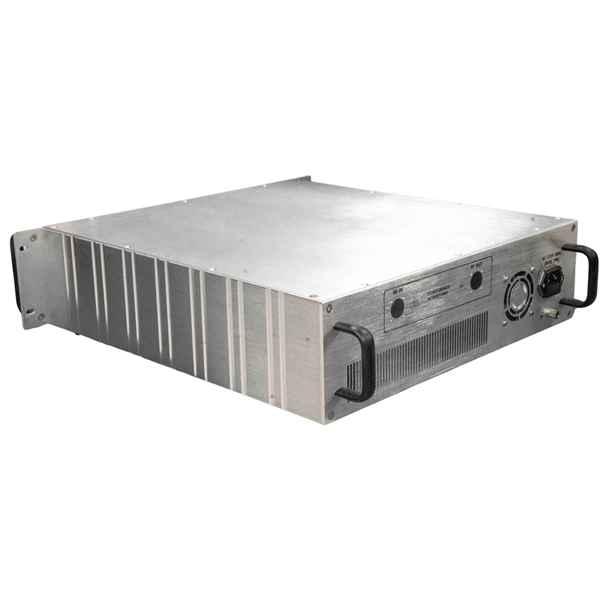
Low-voltage intelligent distribution cabinets are central to safe, efficient, and smart electrical power management, enabling real-time monitoring, load balancing, and integration with renewable energy systems.Core Functions
Low-voltage distribution cabinets (LVDCs) are electrical enclosures designed to receive, distribute, protect, and control electrical power at voltages typically below 1,000 volts, making them essential for residential, commercial, and industrial applications . They house critical components such as circuit breakers, switches, busbars, protective relays, and metering devices, which collectively ensure safe and reliable power delivery while preventing overloads, short circuits, and equipment damage . Intelligent LVDCs integrate IoT sensors, communication interfaces, and control modules, allowing real-time monitoring and automated management of electrical loads .
Energy Management and Efficiency
Intelligent LVDCs play a pivotal role in optimizing energy consumption. By continuously monitoring power usage across circuits, they enable load balancing, reduce energy waste, and maintain voltage stability throughout a facility . These cabinets support dynamic energy management, adapting to varying demands from HVAC systems, lighting, industrial machinery, and data centers, ensuring uninterrupted power supply and operational efficiency . They also facilitate integration with renewable energy sources, such as solar panels and energy storage systems, by managing distributed generation and storage effectively .
Safety and Reliability
Modern LVDCs enhance system safety and reliability through advanced protection mechanisms. Features like fail-safes, fault detection, and modular design allow rapid identification and isolation of electrical faults, minimizing downtime and preventing cascading failures . Their robust construction, often compliant with IEC 61439 or UL 508A standards, ensures resistance to environmental factors such as dust, moisture, and physical impacts, while enabling safe maintenance and scalability .
Applications in Smart Infrastructure
Intelligent LVDCs are integral to smart buildings and smart city infrastructure. In commercial complexes, hospitals, and industrial parks, they provide the foundation for data-driven energy management, supporting predictive maintenance, operational analytics, and sustainability goals . In smart cities, LVDCs equipped with IoT sensors can relay energy usage data to urban planners, optimize public lighting, and integrate renewable energy sources, contributing to carbon reduction and cost savings .
Future Trends
The evolution of LVDCs is closely tied to digital technologies such as AI, cloud computing, and Industry 4.0. Future intelligent cabinets are expected to enhance predictive maintenance, cybersecurity, and energy optimization, making electrical distribution systems more resilient, efficient, and adaptable to growing urban and industrial demands . In summary, low-voltage intelligent distribution cabinets are essential for modern electrical systems, providing centralized control, energy efficiency, safety, and integration with smart technologies, thereby supporting sustainable and reliable power distribution across diverse applications .